
Featured articles from our Aged Care Today magazine authored by our Ageing Australia team and specialists within the aged care sector.
By 2050, that number is expected to reach 347 million – a population larger than the entire United States. Yet India’s aged care system remains in its infancy, creating both challenges and significant opportunities for innovation, investment and international collaboration.
From rising chronic illness and mental health needs to rural–urban disparities, food security, climate pressures and a limited seniors living footprint, India’s ageing story is complex and rapidly evolving. It also presents clear openings for knowledge exchange and partnership with Australia, particularly in real estate, wellness, technology and workforce development.
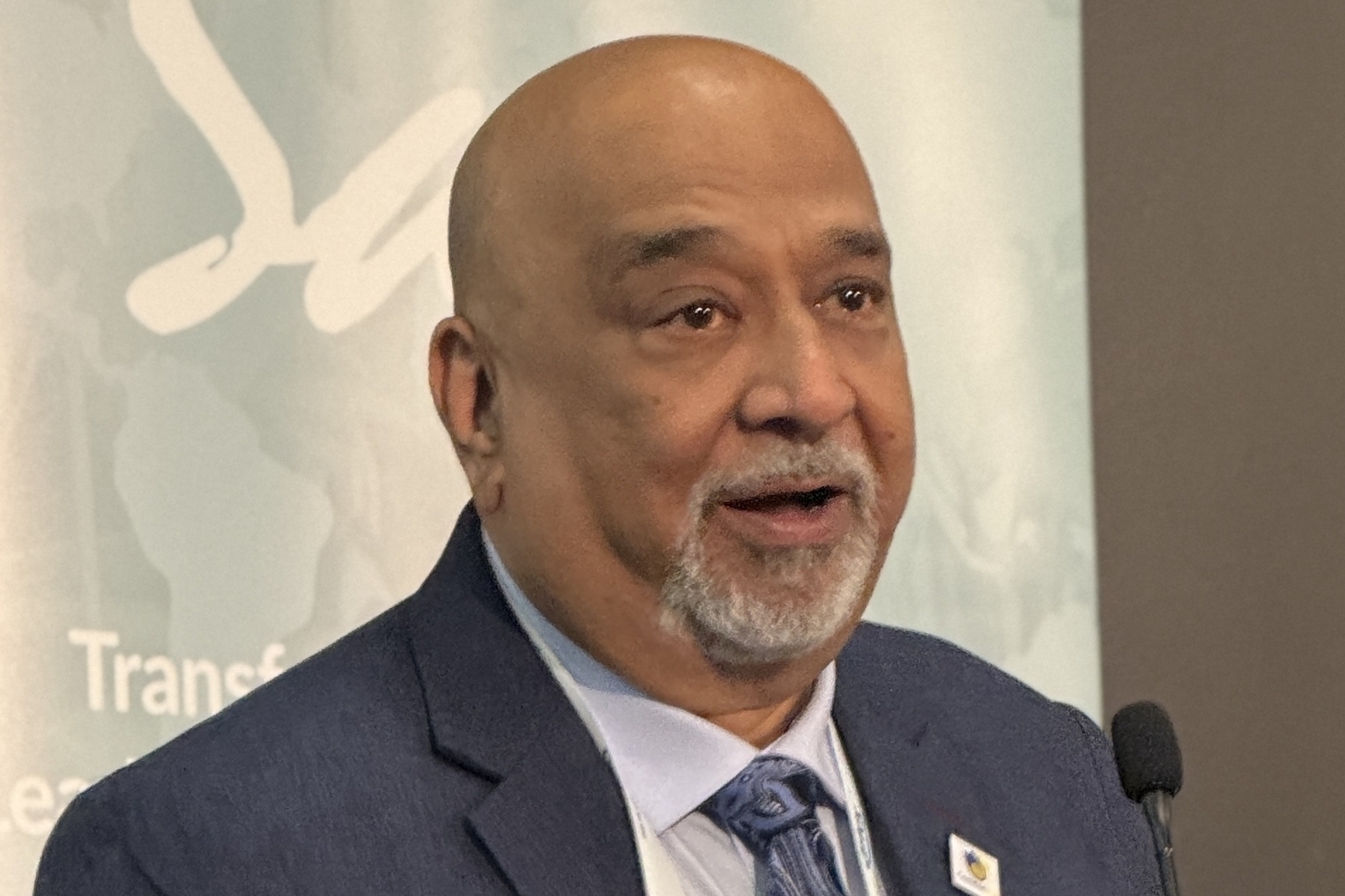
To help us explore this further, we were joined by Mansur Dalal, Founder and Chairman Emeritus of the Association of Senior Living India, as a guest speaker at the Ageing Australia National Conference 2025.
Mansur spoke of a changing demographic profile in India over the past 20 years, with the proportion of young people decreasing and the middle-aged population increasing. While the percentage of older people is less than some other countries, in the words of Mansur, “the absolute numbers in India are daunting”.
He went on to say “the time has come” for seniors living because “the boomers of the 1960s are now elders and they are looking forward to a life of retirement”. Many of them are wealthy and well-travelled and are demanding excellence in seniors living communities.
However, there is currently a significant shortfall of aged care living options – creating a major challenge as well as an opportunity, particularly when it comes to partnerships from within Australia. Today there are only 22,157 units (beds) in the whole ecosystem of aged care, with a projected demand of 2.3 million units by 2030. Mansur says this is an opportunity for India and the rest of the world.
“It’s an opportunity for other parts of the world to see India as a great market. To help us leapfrog the evolution curve,” he said. “We would love to learn from your mistakes and not repeat them. We may have started late but we have a roadmap in front of us, we can see a landscape globally and learn from it.”
Mansur said the key opportunities are in real estate, wellness and health, with bricks and mortar investment the one being seized in the first instance. Investment is growing rapidly, with large financial outlays from $20 million up to $200 million. The seniors living market, he says, is projected to reach $8 billion by 2030.
With such a large amount of work to do, Mansur said technology will be a key enabler, while recognising it can never replace human compassion and care. “We have one of the largest IT industries in the world. We need to do catch-up if we are going to service 147 million seniors. Technology is the way to do it, alongside the workforce of course, which has its own challenges.”
Like Australia, India is also grappling with workforce shortages, but on a vastly different scale. Mansur has developed a model he hopes India will implement – the Establish E.L.D.E.R. Care TM program. The acronym stands for ‘educate’, ‘learn’, ‘demonstrate’, ‘earn’ and ‘return’. The key point is while skilled workers would be encouraged to work overseas to earn, there would be an expectation of them returning to their home country.
For Mansur, this speaks to “ethical time-bound migration across borders”, a concept that would seek Indian nationals to be given short-term work visas without any permanent residency pathway. From a global perspective, this would have implications for Australia’s reliance on overseas workers, but also opportunities for Australia-based training providers.
Mansur also re-stated his call for the government of India to form a dedicated ministry for seniors with a dedicated minister. “Australia with only 8 million seniors have a dedicated ministry. We need a dedicated ministry for seniors. How else can we address all the problems? We have 147 million reasons.”
While he sees many positives in Australia that can inform India’s learnings – including infrastructure, operational excellence, frameworks and standards – he believes the system is overregulated. “You have too many checks and balances,” he said. “It would be foolish for us to re-invent the wheel, but we need to be mindful we do not overregulate ourselves.”
Mansur encouraged Australians to seize the business opportunities in India’s seniors living market. “We need to shorten the curve. The only way we can do this is through partnerships. You can stand in Perth and see the shores of India, metaphorically. You have complete know-how and experience, which you can bring to the table.”
Reach out to your state or territory manager


Australia’s leading aged services magazine distributed quarterly featuring informative articles from service providers, suppliers, innovators and thought leaders across aged the aged care sector.
To submit story suggestions, please contact the editor.
For magazine advertising rates, please view our media kit.


