When Ageing Australia launched its first Reflect Reconciliation Action Plan (RAP), we described it as more than a document. It was a commitment to listen, learn and take practical steps towards reconciliation – within our organisation and through our role as the national peak body for aged care, retirement living and seniors housing.
That work is now actively moving from commitment into action.
For aged care, reconciliation is not separate from quality, safety or person-centred care. It goes to the heart of whether older Aboriginal and Torres Strait Islander peoples feel respected, understood and safe when accessing support.
This matters because trust in systems has been shaped by histories of exclusion, removal, discrimination and institutional harm. These experiences do not sit outside aged care. They influence whether people feel safe seeking services, whether care relationships are built on trust, and whether support genuinely reflects identity, family, community, culture and Country.
Culturally safe aged care asks us to think beyond access alone. It requires attention to relationships, language, cultural authority, local community connection and the way decisions are made. It also requires us to recognise older Aboriginal and Torres Strait Islander peoples not only as recipients of care, but as Elders, knowledge holders, leaders, advocates, family members and community decision-makers.
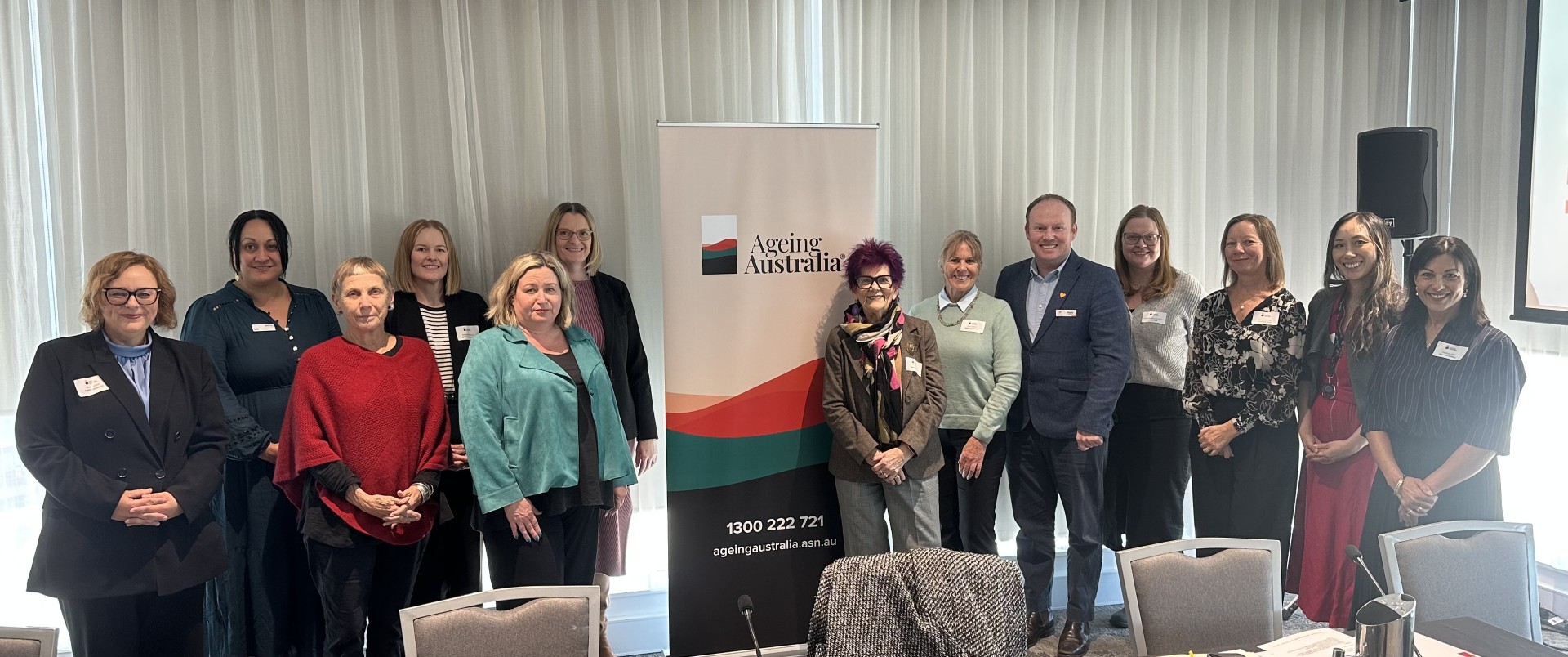
Over the past year, we have continued to build the foundations for this work through our RAP. This has included strengthening cultural learning, building staff understanding of cultural protocols, engaging in national conversations through forums such as the AIATSIS Summit and Reconciliation Australia, and drawing on our networks to grow relationships, share knowledge and better understand how our voice, advocacy and sector connections can support more culturally safe and inclusive care.
But the opportunity is much broader than any one organisation.
Our sector has a critical opportunity to embed cultural safety as a core part of quality, dignity and trust. This means listening to Aboriginal and Torres Strait Islander peoples, respecting community-led solutions, supporting First Nations leadership and recognising that culturally safe care is built through consistent action over time.
It also means asking practical questions across our own organisations and services.
How are older First Nations peoples involved in decisions that affect them? How are cultural needs understood and respected? How do services build relationships with local communities? How are staff supported to engage with confidence, humility and respect? How do we ensure cultural safety is not an aspiration, but part of everyday practice?
These questions are not peripheral to aged care. They are central to it.
As the national peak body, Ageing Australia has an important role to play in supporting members and the broader sector on this journey. We do not approach this work as having all the answers. We approach it with a commitment to listening, learning, sharing what we can, advocating where we should, and helping create the conditions for meaningful change.
Reconciliation asks all of us to move beyond acknowledgement into action.
That action begins with respect, relationship and a willingness to see older Aboriginal and Torres Strait Islander peoples not only as people receiving care, but as people whose knowledge, culture, leadership and lives continue to shape families, communities and the future of our sector.