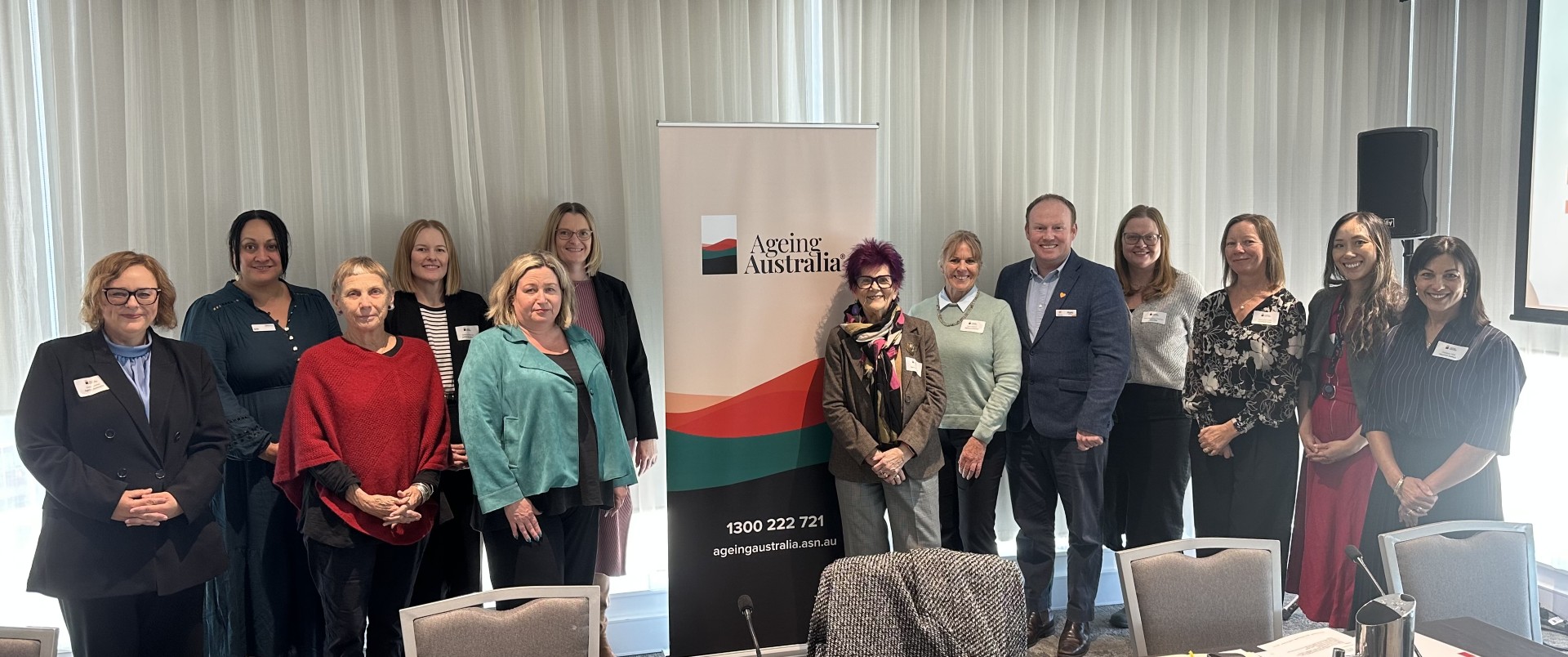
In an unusually intensive week of public advocacy, Ageing Australia appeared at three parliamentary inquiry hearings, making strong cases for the funding, workforce and assessment systems needed to give older Australians timely access to care.
A rare week in Parliament
Between 18 and 24 September 2026, Ageing Australia appeared before three parliamentary inquiry hearings – skilled migration, Support at Home and Integrated Assessment Tool reviews.
The subjects differed, but the message was consistent: providers need the funding, workforce and clinically driven decision systems to make access to care sustainable.
Skilled migration is essential
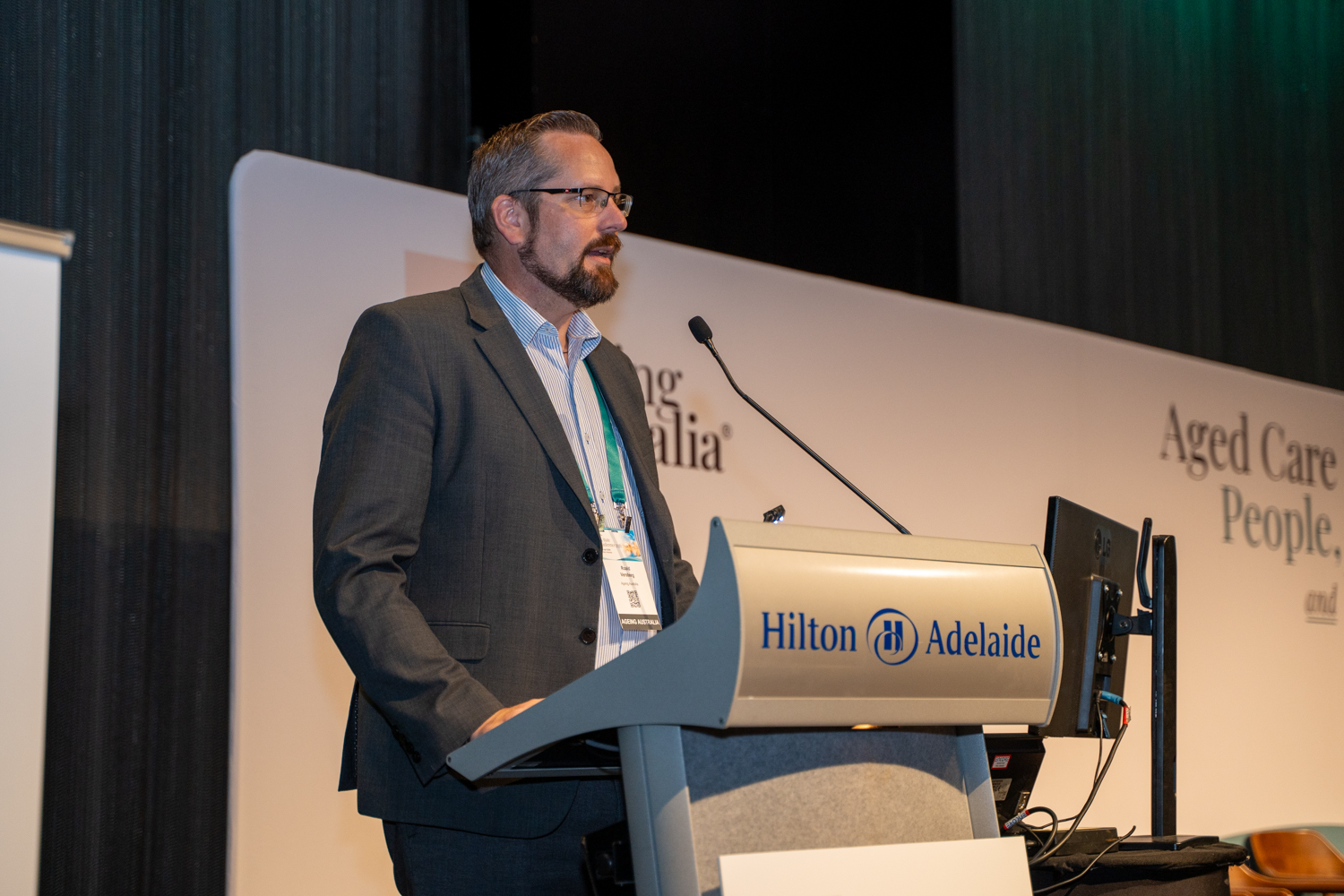
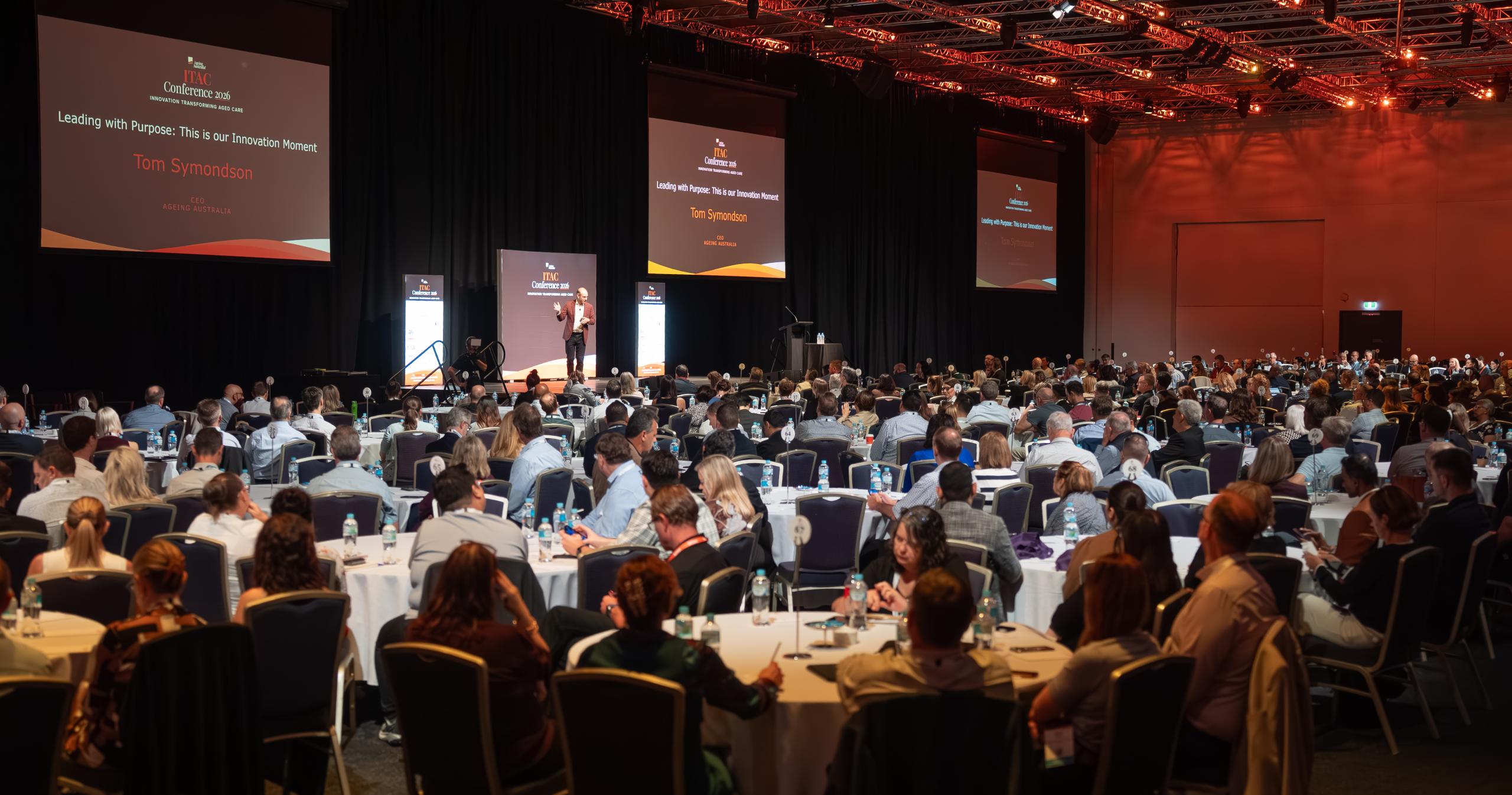
On 18 September 2026, Ageing Australia’s CEO, Tom Symondson and Head of Workforce Strategy, Andrew Hayward appeared before the Joint Standing Committee on migration’s inquiry into the value of skilled migration to Australia.
They emphasised that migrant workers are indispensable to aged care, alongside investment in the home-grown workforce. More than half the sector’s workforce was born overseas. Independent modelling shows projected shortfalls of about 110,000 direct care workers within a decade and more than 450,000 by 2050.
Faster visa processing, dedicated aged care pathways, priority for critical shortage occupations, and settings supporting retention and permanent residency, particularly outside metropolitan areas, were amongst Ageing Australia’s key calls at the hearing.
Without migrant workers, some providers would be unable to operate. Migration policy is therefore inseparable from older Australians’ access to care.
Support at Home must deliver sustainable care
Four days later, Ageing Australia appeared before the senate inquiry into Support at Home.
Tom Symondson highlighted more than 100,000 people waiting for a package, another 100,000 waiting to be assessed, and more than 53,000 receiving only 60 per cent of the value of their approved package. At the same time, he again emphasised our provider surveys found that more than 60 per cent of respondents could increase delivery and accept additional participants.
Faster funding, full access to approved package value (abolishing Minimum Service Offers), stronger clinical oversight, less red tape and pricing that supports provider viability. More packages will only become more care if providers can deliver sustainably.
A simpler, faster escalation pathway
To round off the week, Ageing Australia appeared at an inquiry focusing on the proposed escalation pathway for Integrated Assessment Tool outcomes that do not adequately reflect an older person’s needs.
We supported a new human review mechanism as an interim safeguard, but that it must be simple, prompt and clinically informed. We recommended a longer period to request reviews, extensions where needed, more use of clinical expertise, clear decision timeframes and priority for urgent cases.
A review pathway cannot improve access if it becomes another source of delay. Older Australians whose needs are urgent or changing cannot afford to wait months for the right level of care.
One objective
Three hearings in one week is unusual (and a very busy time), but our purpose was clear. Sustainable access depends on funding, people and responsive systems.
We will continue advocating for practical changes that support providers help every older Australian receive the right care at the right time.